Skip to content
When Hurricane Harvey swept through Houston, the devastation wasn’t only measured in billions of dollars in damages or the number of homes lost. It was etched into the hearts of families, couples, and communities who endured sleepless nights, flooded streets, and the terrifying uncertainty of survival.
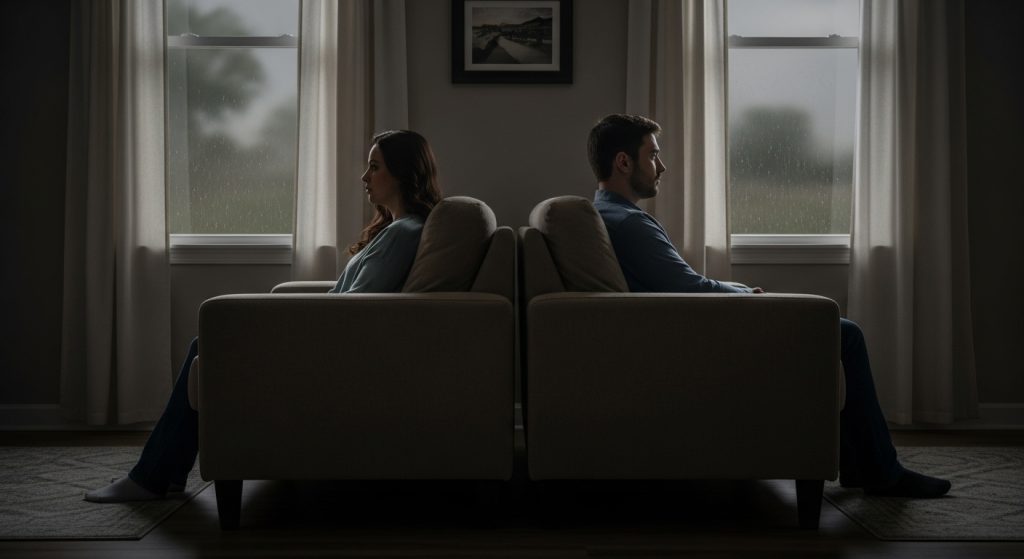
Years later, Houston has rebuilt many of its neighborhoods, but beneath the surface lies a quieter, more painful aftermath: the emotional scars carried by couples whose marriages never fully recovered.
The truth is, Houston Harvey trauma relationships are still unraveling. Couples who once leaned on each other for comfort are now struggling with distance, resentment, and emotional exhaustion. Post-disaster stress isn’t always obvious, but it sneaks into daily routines, fuels conflict, and erodes intimacy.
While rebuilding a house might take months, rebuilding trust, security, and connection often takes years. And for many, the hidden legacy of Harvey is a marriage pushed to its breaking point.
How Houston Harvey Trauma Relationships Took a Lasting Toll on Couples
When Harvey struck, couples were thrown into survival mode. Some lost homes, others lost jobs, and many lost their sense of stability. For marriages already under quiet strain, the storm magnified every crack. The constant fear and uncertainty triggered ongoing disaster anxiety patterns, which didn’t simply fade when the waters receded.
Couples who once thrived on routine suddenly had to navigate shelters, insurance claims, and the heartbreak of material loss. Even those who came out with their homes intact weren’t immune to the psychological blow. The storm left behind natural disaster mental health struggles that continue to haunt relationships.
What this really means is that the hurricane didn’t just destroy property—it stripped away the foundation of safety that many marriages rest on. And for some, Harvey was not just a weather disaster but the catalyst for years of emotional distance.
The Strain of Post-Hurricane Anxiety on Marriage and Daily Connection
After Harvey, anxiety became a silent third partner in many marriages. One spouse might have developed hyper-vigilance—constantly watching the weather, fearing the next storm—while the other tried to minimize or avoid those worries. This mismatch led to tension, creating the feeling of “you don’t understand me.”
The rise of post-hurricane anxiety marriage challenges showed up in everyday life: arguments over finances, irritability about small things, and an inability to relax together. Couples who once bonded over laughter or shared routines now found themselves locked in cycles of stress.
Adding to this was survivor’s guilt. Some couples struggled with community trauma impact—feeling guilty for faring better than neighbors, or overwhelmed by the collective grief of their city. These invisible weights pressed down on marriages, leaving many to wonder why love no longer felt enough to pull them through.
Why Disaster PTSD Couples Struggle with Intimacy and Trust
For many Harvey survivors, the storm wasn’t just stressful—it was traumatic. Couples dealing with disaster PTSD couples challenges found intimacy harder to maintain. Flashbacks, nightmares, and emotional numbing made one or both partners pull away.
The paradox of trauma is that while it can sometimes create trauma bonding couples, it often also drives emotional isolation. One partner may withdraw to cope, while the other feels abandoned, creating a cycle of hurt. These trauma recovery relationship challenges go far beyond typical marital disagreements; they’re rooted in deep emotional wounds.
In Houston, the demand for Harvey survivor’s therapy grew because couples needed tools to process the trauma together, not separately. Without professional help, marriages trapped in post-disaster PTSD often face rising conflicts, communication breakdowns, and in some cases, the painful road to separation.
The Uphill Battle of Trauma Recovery Relationships in A Rebuilt Houston
On the surface, Houston looks renewed, but for many couples, scars remain. The stress of rebuilding a home or relocating added financial strain, while the emotional toll of reliving the storm each hurricane season kept wounds fresh.
Many marriages faced trauma recovery relationships hurdles such as unresolved anger, loss of intimacy, and ongoing distrust. Add to this the weight of economic stress—job instability, repairs, or medical bills—and it’s no surprise that Harvey’s ripple effects still threaten family bonds.
Couples often underestimate how much shared trauma reshapes relationship patterns. For example, one partner might develop controlling behaviors to prevent feeling “helpless” again, while the other becomes avoidant, exhausted by constant reminders of disaster. These shifts don’t just affect the couple—they affect children, extended family, and the entire household dynamic.
Finding Hope: Healing Houston Harvey Trauma Relationships Through Therapy
The encouraging truth is that trauma doesn’t have to be the end of a marriage. Couples who seek support can rediscover connection and resilience, even after years of hidden pain. Therapy helps partners identify trauma recovery relationship challenges and reframe them as opportunities to rebuild trust and closeness.
Professional counseling addresses not only the storm’s impact but also how couples have carried those burdens forward. By unpacking ongoing disaster anxiety patterns, exploring emotional triggers, and learning healthier ways to communicate, many marriages can begin to heal.
Therapy also gives couples tools to confront financial pressure, PTSD triggers, and family stress in a constructive way. When couples realize they are not alone—and that other Houston families carry similar struggles—they often feel less isolated and more hopeful about recovery.
Healing is possible, but it requires intention, patience, and the willingness to seek help together.
Rebuilding Love After the Storm
Hurricane Harvey may be years behind us, but its legacy is alive in the marriages still fighting to survive the emotional aftershocks. The storm revealed how fragile our sense of security can be, and how quickly love can be tested under pressure. Yet it also highlighted the incredible resilience couples can find when they face trauma hand-in-hand.
If you and your partner are still carrying the invisible weight of Harvey—whether through anxiety, distance, or lingering conflict—know that healing is not only possible but within reach. Choosing to process the pain together instead of in silence can transform brokenness into strength.
Now is the time to take that step forward. Don’t let Harvey’s hidden legacy define your marriage. Choose to begin Houston trauma-informed couple’s therapy and start rebuilding a foundation of trust, connection, and resilience. Your marriage deserves more than survival—it deserves renewal.