Skip to content
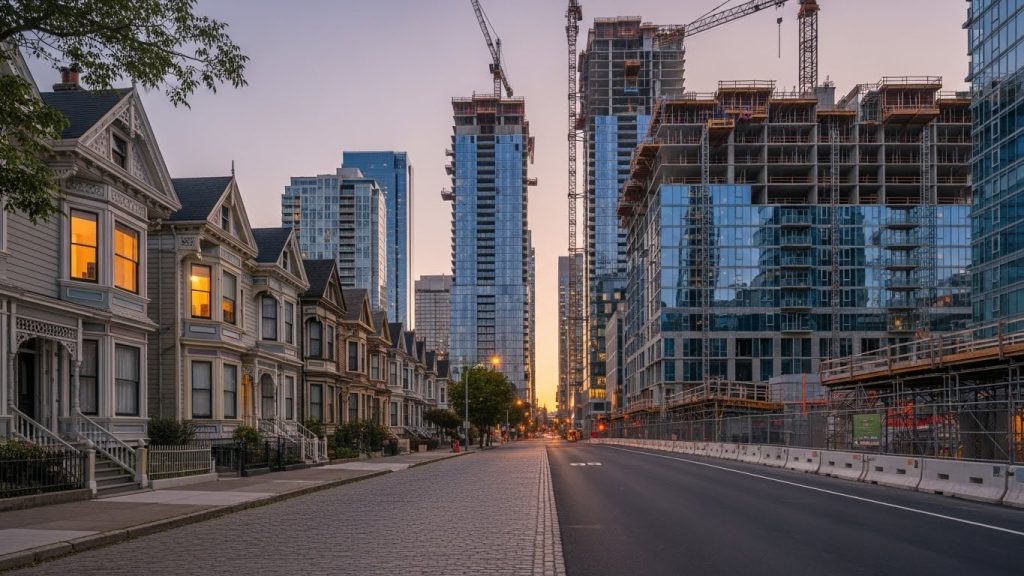
The Third Ward of Houston has always been more than a place on a map—it’s a heartbeat, a shared history, a sense of identity. Families have built lives here, couples have grown together, and generations have passed down values deeply tied to this neighborhood’s culture.
But now, with the rapid wave of gentrification sweeping through, that stability is cracking. Rising rents, cultural displacement, and the slow erasure of familiar spaces leave not just homes empty but hearts heavy. What many people overlook is the emotional impact this Houston gentrification has on relationships.
Marriage stress rises when the ground beneath feels unstable. Couples face the weight of community displacement, not only worrying about where they’ll live but also how to keep love steady when everything else is shifting. Gentrification isn’t just about property—it’s about people. And in Third Ward, it’s unraveling far more than brick and mortar.
How Houston Gentrification Relationships Strain Under Constant Neighborhood Change
When people think about gentrification, they usually picture shiny new coffee shops and renovated apartments. But for couples in Third Ward, the story looks very different. Suddenly, familiar corner stores are gone, neighbors move away, and rent becomes unbearable. These shifts feed into neighborhood change marriage stress—a pressure that seeps into homes, arguments, and intimacy.
A couple that once felt secure in their routine suddenly faces tough choices: Do we move to stay within budget? Can we afford childcare in a more expensive area? How do we explain to our kids that the park where they learned to ride their bikes isn’t ours anymore? This isn’t just logistics—it’s loss. And when couples can’t process that grief together, it spirals into distance.
Therapists see it firsthand: community trauma and relationships go hand in hand. The more unstable the environment, the harder it is for couples to nurture safety inside their relationship.
The Silent Struggles of Community Displacement Couples and Their Emotional Baggage
Displacement isn’t always immediate—it’s slow, creeping, and exhausting. For many couples in Third Ward, this means watching friends and family scatter across the city while fighting to stay rooted themselves. Every move carries grief, because what’s lost isn’t just an address but a community identity.
Here’s the thing: community displacement couples often feel isolated. One partner may want to fight to stay, while the other is ready to leave. This tug-of-war creates resentment, often disguised as arguments about money or parenting. But underneath, the real issue is deeper—what they’re really mourning is neighborhood identity loss.
This emotional baggage doesn’t just weigh on marriages. It bleeds into everyday mental health, fueling anxiety and depression. That’s why therapy focused on cultural displacement therapy has become so important. It helps couples name the pain instead of turning on each other.
By acknowledging the grief of losing a neighborhood, couples can begin to rebuild trust within their relationship.
The Hidden Toll of Urban Development Relationship Impact on Everyday Love
On the surface, urban development looks like progress: safer streets, more businesses, and rising property values. But if you ask couples in Third Ward living through it, the urban development relationship impact tells a different story.
Sudden changes bring financial instability. Even couples who own homes aren’t immune; rising property taxes and the pressure to “sell out” create tension. Partners may argue about whether to cash in or hold on. What outsiders see as opportunity, residents experience as pressure.
Beyond money, there’s also the emotional fallout. New businesses rarely reflect the culture that made the neighborhood vibrant in the first place. Couples walking through streets that feel “foreign” to them begin to feel unmoored.
This is where community change relationship impact becomes clear—relationships thrive on stability, and when the environment feels hostile, love starts to weaken.
How Neighborhood Change Marriage Stress Fuels Conflict Inside the Home
The home should be a safe haven, but when the outside world is unstable, even the most loving couples can falter. The everyday weight of neighborhood change stress doesn’t just vanish when people walk through their front door. Instead, it shows up in small ways: shorter tempers, silent dinners, nights spent worrying about bills or relocation instead of intimacy.
For couples in the Third Ward, these arguments are often disguised. One person complains about spending habits, the other about lack of help with childcare, but beneath it all is the shared anxiety of possibly losing everything familiar.
Therapists call this “external stress spillover.” When communities shift so dramatically, couples internalize that stress. And if left unspoken, it builds into resentment. Recognizing this cycle is the first step toward healing. Couples need space to acknowledge their grief, not just about money but about community change stress and what it steals from their relationship.
Rebuilding Trust and Stability Through Therapy and Community Connection
So where’s the hope in all of this? It lies in couples realizing they don’t have to carry this burden alone. Counseling can help partners identify the real source of their stress and separate it from personal blame. When couples realize their tension comes from community change relationship impact, not their partner, it opens the door for compassion instead of conflict.
Therapists in Houston are seeing the benefits of integrating cultural displacement therapy into sessions. By addressing the grief of losing familiar spaces, couples feel heard and validated. More importantly, they learn how to turn toward each other instead of away.
But therapy isn’t the only solution. Couples who stay engaged in community activities—block meetings, local events, cultural celebrations—find strength in collective resilience. Community connection acts as a protective factor against gentrification trauma relationships, giving couples a shared sense of purpose that outlasts neighborhood shifts.
love can outlast gentrification when couples choose connection
At the heart of it, gentrification in Third Ward isn’t just tearing down houses or raising rent—it’s shaking the very foundation of families and relationships. Couples caught in the storm face unique challenges: neighborhood change stress, displacement grief, and cultural erasure.
But what this really means is that couples need safe spaces to heal together. Therapy offers a lifeline. It helps partners understand that what they’re facing isn’t just “relationship trouble” but the emotional fallout of community trauma and relationships. And through that understanding, they can build resilience, compassion, and unity.
The truth is, love doesn’t have to be another casualty of Houston’s gentrification. Couples can learn to navigate loss, rebuild trust, and grow stronger in the face of change. If you and your partner are struggling under the weight of these shifts, now is the time to start Houston community change support therapy—because your relationship deserves a chance to thrive, no matter what changes around you.